Overview
I led the migration of Region One Education Service Center’s public website from Blackboard CMS to Finalsite. The project involved much more than transferring content between platforms. It required reconsidering how a large, service-focused organization presented information to educators, school administrators, families, employees, and community members.
The goal was to preserve essential institutional content while creating a clearer, more accessible, and more maintainable website. The migration also provided an opportunity to establish reusable page patterns and stronger content-management practices for departments across the organization.
The challenge
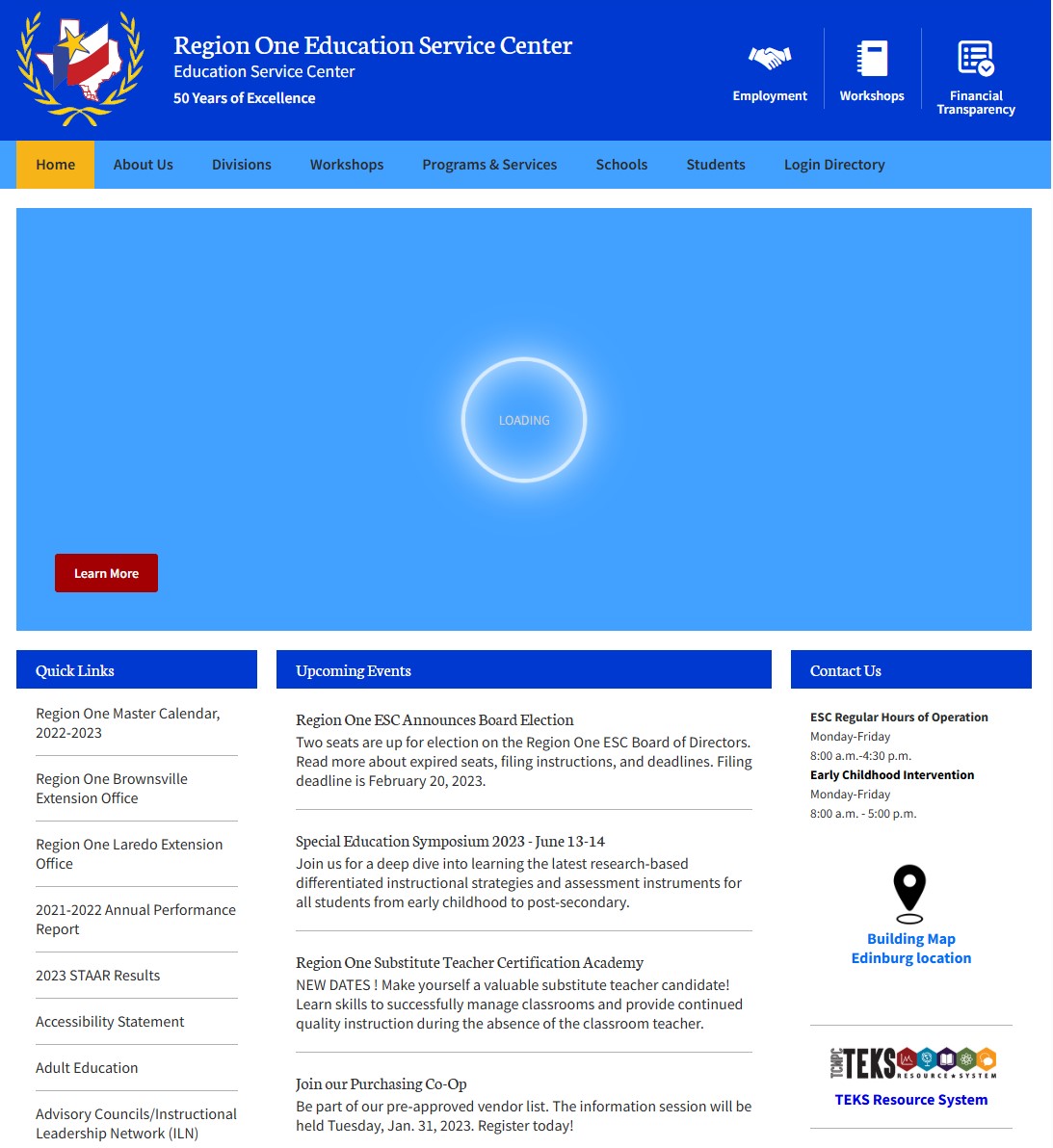
The previous website contained years of content distributed across a complicated organizational structure. Much of its primary visual styling originated in 2006, while navigation and page structures had expanded over time as new departments, programs, and services were added.
Primary challenges
- Years of accumulated and potentially outdated content
- A dense, organization-based navigation structure
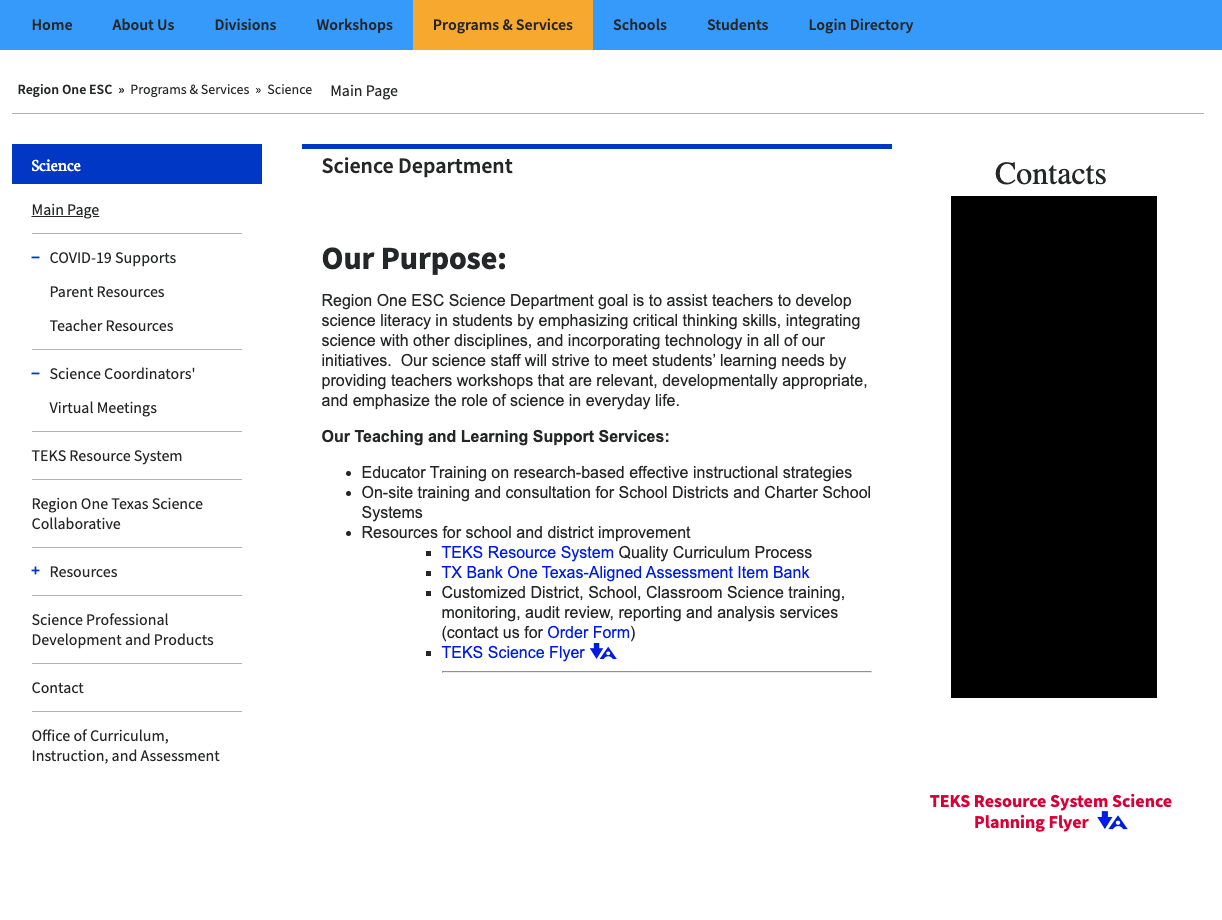
- Inconsistent layouts between departments
- Changed URLs requiring redirects and link validation
- Accessibility and responsive-design concerns
- The need for templates that staff could maintain after launch
Turning from a department based UX to audience based UX
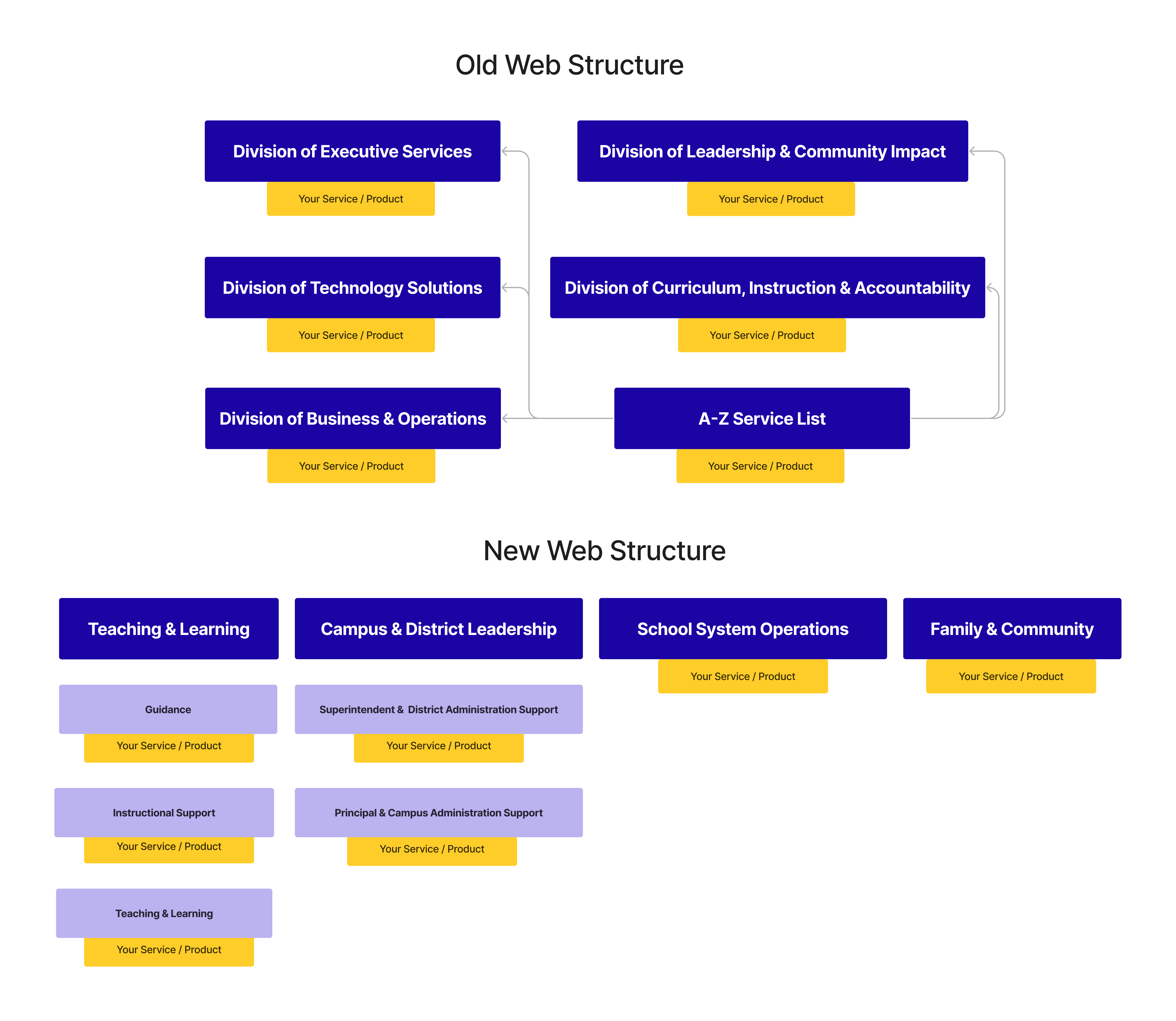
We assessed what the information architecture was like, and found it to be based around departments and their work, rather than any real categories. The new proposed structure was based on what these services offered to audiences. This was much easier to outlay for any future changes or edits, often services and department responsibilites changed and org charts were shuffled into new areas, quickly allowing services to be sent to the wrong area within the organization. This new structure allowed departments to collaborate on which audience they most often served and placed them within the categories without hard coding them to a specific department that may change its hands the next school year.
My responsibilities
Content and architecture
Auditing existing pages, identifying essential content, and restructuring information around audience needs.
Template development
Creating reusable Finalsite page patterns that supported consistency without preventing departments from meeting different content needs.
Content migration
Rebuilding pages and digital resources in the new CMS while adapting content to the new structure.
Quality assurance
Reviewing navigation, redirects, accessibility, responsive behavior, links, and presentation across browsers and devices.
The migration approach
-
Audit the existing website
I reviewed the existing content inventory, usage patterns, broken links, organizational requirements, and department feedback to determine what should be retained, consolidated, rewritten, redirected, or removed.
-
Reconsider the information architecture
The new structure grouped services more clearly around the people using the website rather than relying entirely on the organization’s internal departmental structure.
-
Develop reusable page patterns
I created consistent page structures for common content types, giving staff a sustainable framework for publishing information without rebuilding layouts for every page.
-
Migrate, validate, and refine
Content was rebuilt in Finalsite and reviewed for visual consistency, semantic structure, accessibility, responsive behavior, redirects, and link accuracy.
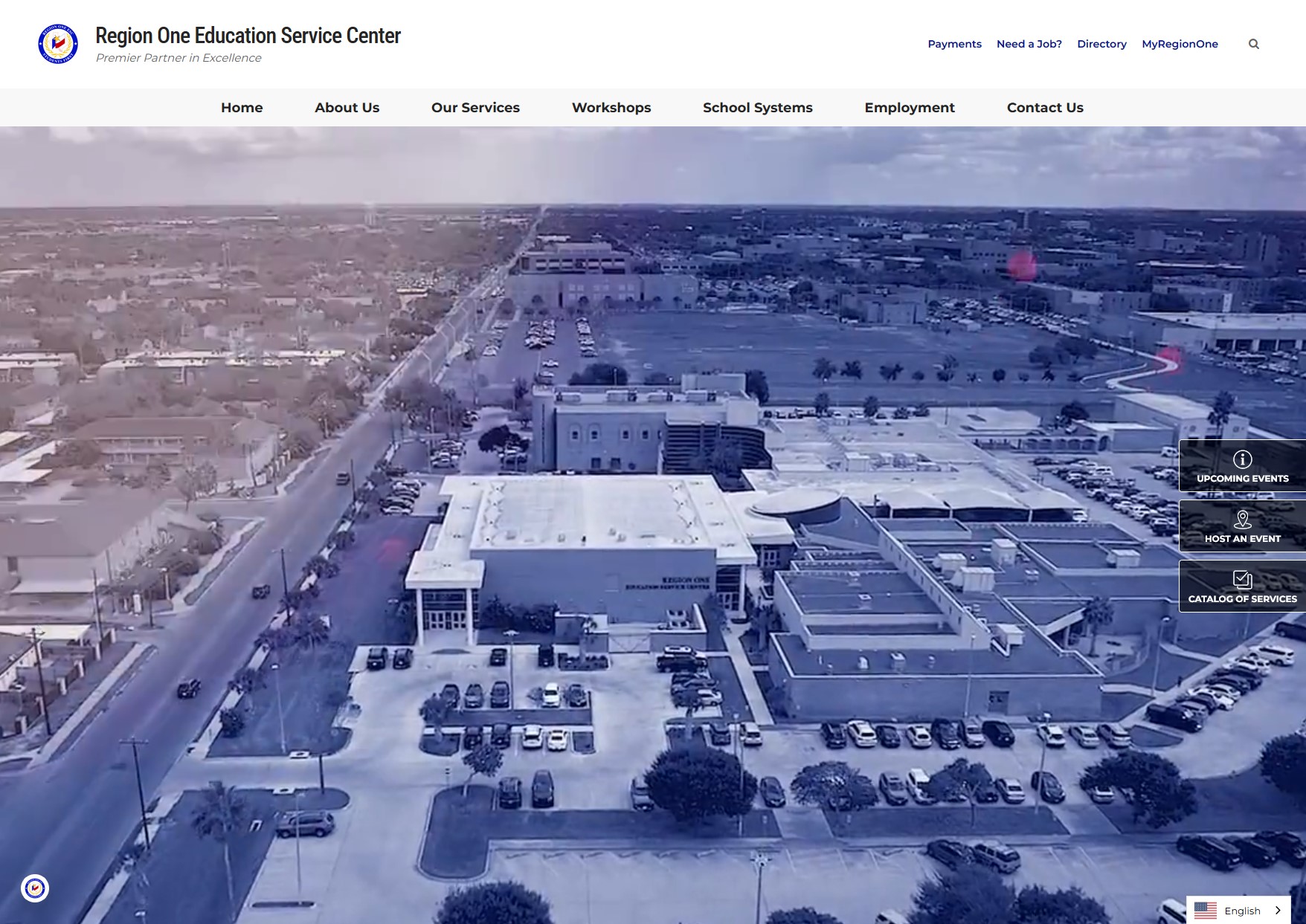
Before and after
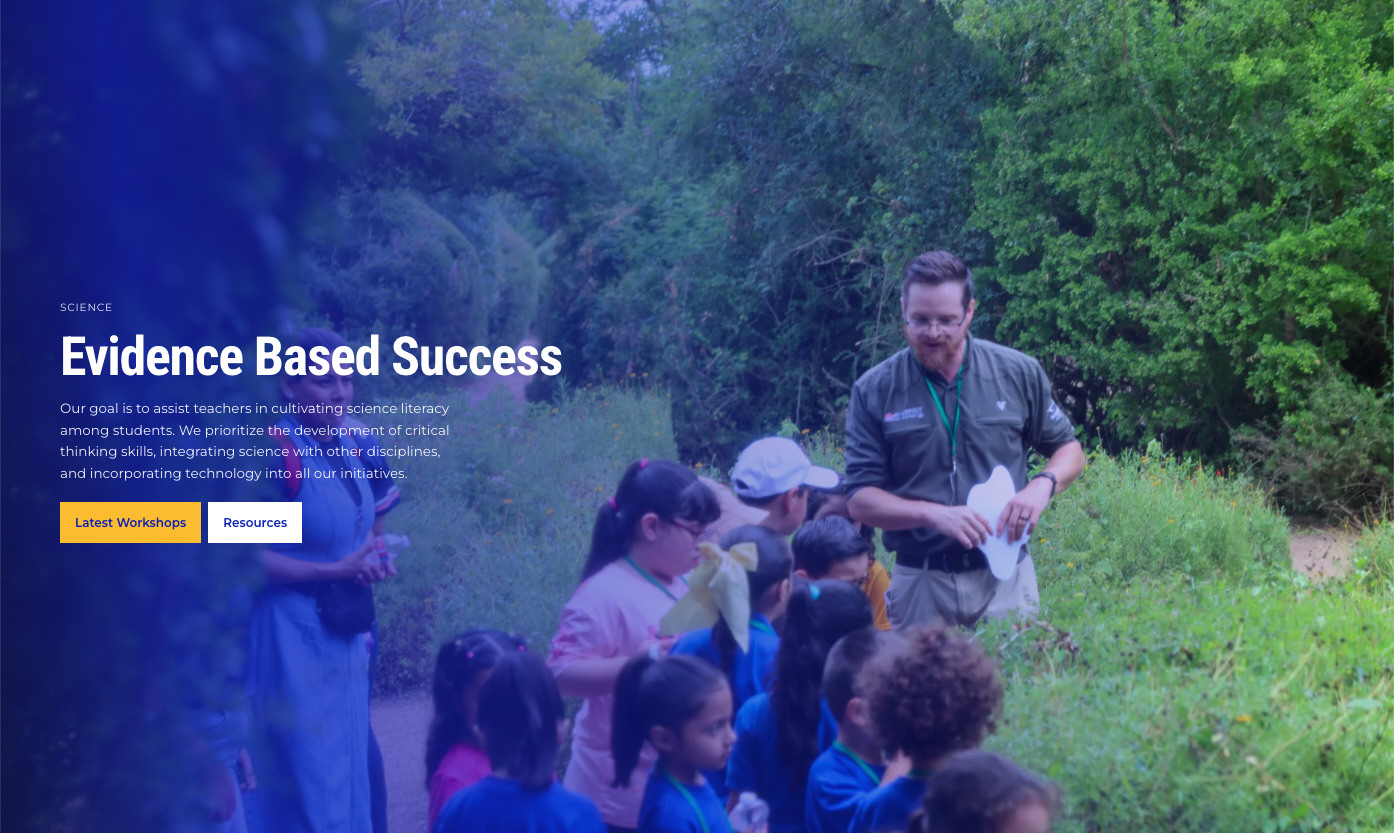
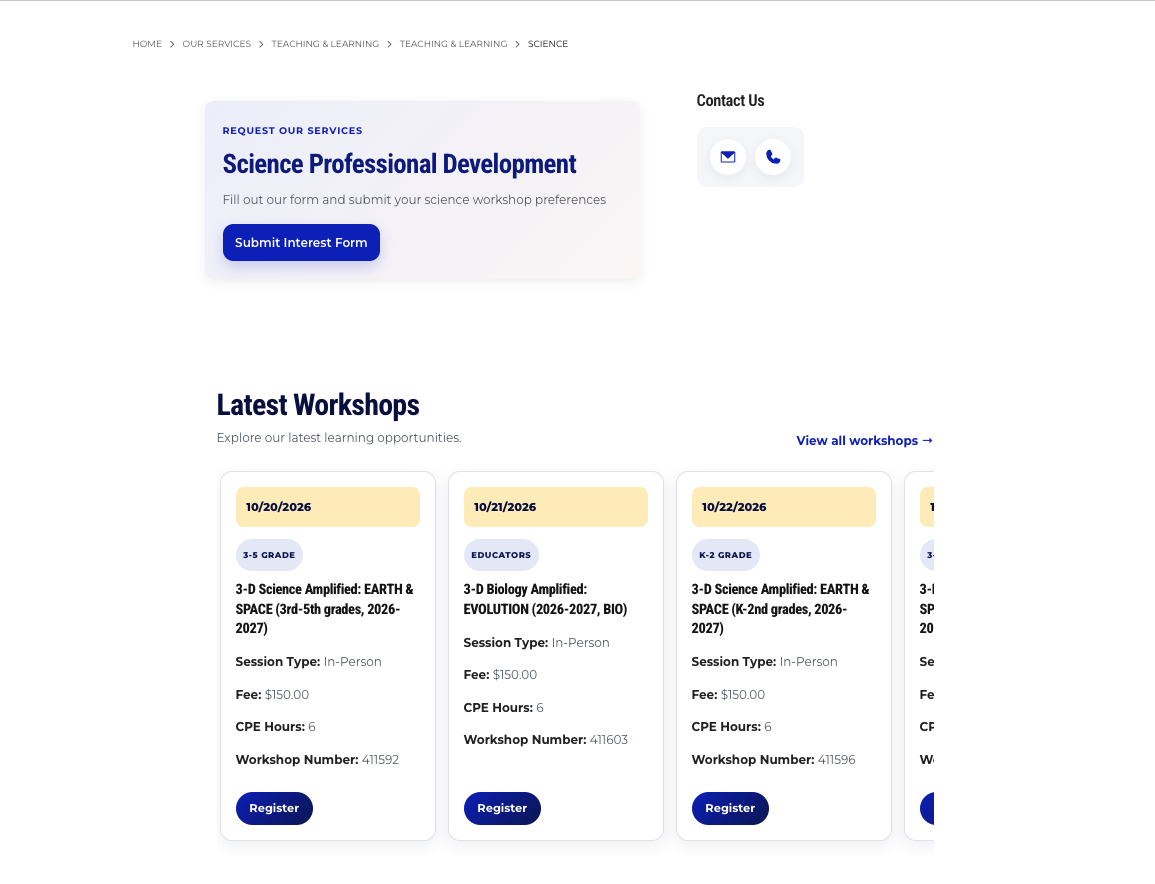
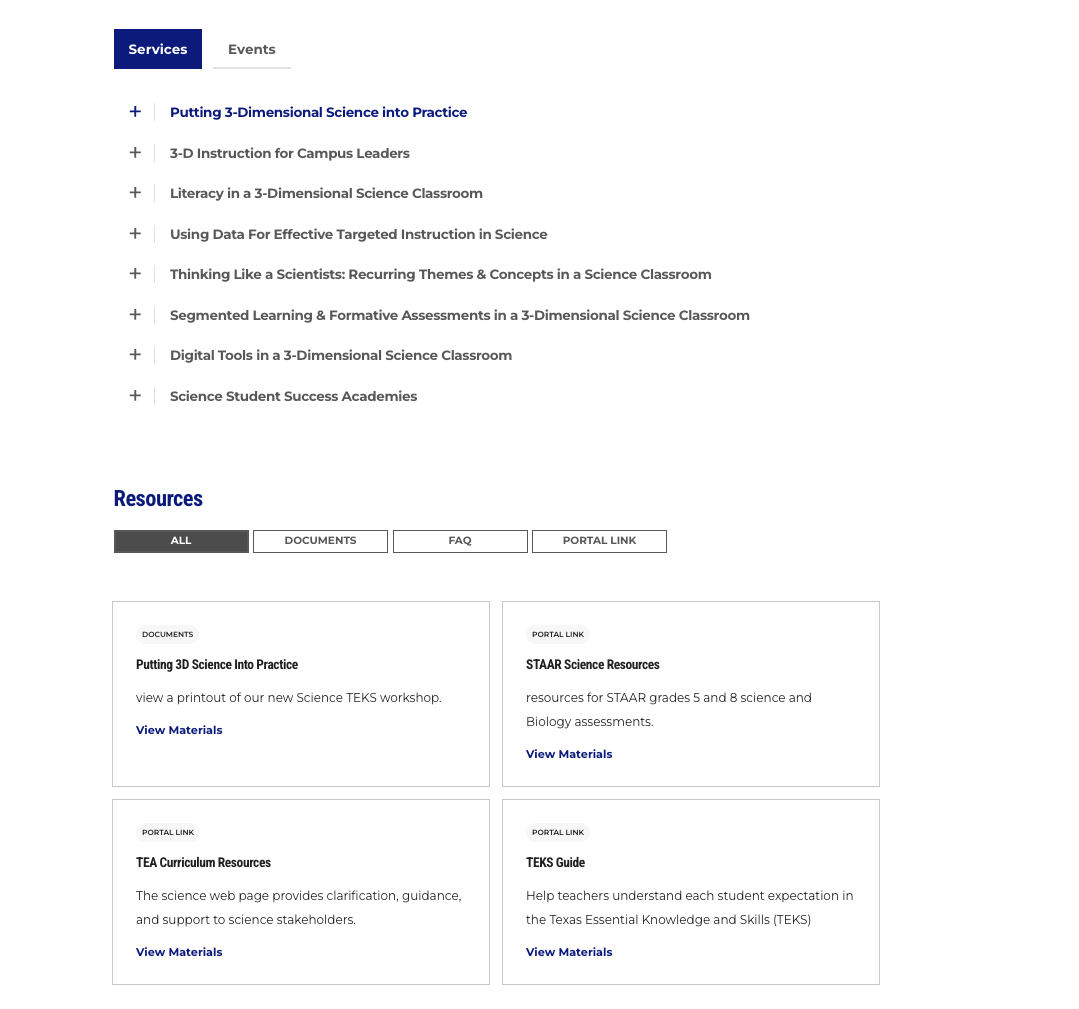
Outcomes
The migrated website established a more consistent framework for presenting Region One ESC’s services and gave departments a more sustainable way to maintain their content.
- Clearer organization of programs and services
- More consistent page layouts across departments
- Reusable templates for future content
- Improved responsive and accessibility foundations
What I learned
This project reinforced that a successful migration is not simply a transfer of pages. It is an opportunity to evaluate what content still serves users, clarify how information should be organized, and build systems that remain usable after launch.
It also strengthened my experience working across content strategy, information architecture, accessibility, CMS development, quality assurance, and organizational communication within a large public-service institution.